Executive thought leadership transforms senior leaders into authoritative industry voices, driving business growth and competitive advantage. This comprehensive guide provides a framework for developing, implementing, and measuring executive thought leadership programs that deliver measurable business impact. You’ll learn practical strategies to position your executives as trusted experts while overcoming common implementation challenges.
What Exactly Is Executive Thought Leadership? (Defining the Strategic Opportunity)
Executive thought leadership represents the strategic elevation of senior leaders’ expertise and perspectives to position both the individual and organization as authoritative voices in their industry. Unlike general content marketing, executive thought leadership requires a deliberate focus on distinctive viewpoints that establish credibility and influence.
Thought leadership exists at three distinct levels:
- Personal thought leadership: Showcasing an executive’s unique expertise and vision
- Organizational thought leadership: Positioning the company as an industry authority
- Industry thought leadership: Shaping broader conversations and future direction
According to Edelman-LinkedIn research, 55% of decision-makers use thought leadership to vet organizations, while 60% say it has directly led to awarding business. This demonstrates the significant influence executive perspectives have on business outcomes.
Successful examples include Microsoft CEO Satya Nadella’s transformation narrative, Mayo Clinic’s physician-led health insights, and Deloitte’s comprehensive industry analyses. What distinguishes these programs is their strategic approach through executive briefings.
Executive briefings are crucial because they provide the strategic foundation for thought leadership initiatives. They align executive expertise with business objectives, ensuring consistent messaging and measurable outcomes. Without proper briefings, thought leadership efforts often lack direction and fail to deliver business value.
Developing Your Executive Thought Leadership Strategy
An effective executive thought leadership strategy begins with alignment between business objectives and executive expertise. This section provides a systematic approach to developing a strategy that leverages your unique organizational strengths.
Start by defining clear business objectives for your thought leadership program. Common goals include:
- Building brand authority and recognition
- Attracting and nurturing high-quality leads
- Establishing competitive differentiation
- Supporting talent attraction and retention
- Influencing industry standards and practices
Next, conduct a thorough assessment of your competitive landscape. Identify content gaps and opportunities where your executive voices can contribute unique perspectives. In my 25 years of experience in digital marketing, I’ve found that the most successful thought leadership programs address unmet information needs rather than adding to oversaturated topics.
Once you’ve identified opportunity areas, create a thought leadership positioning statement that captures:
- Primary audience segments
- Core areas of expertise
- Unique perspectives offered
- Business outcomes targeted
- Primary content formats and channels
Your positioning statement should connect executive expertise directly to audience needs and business goals. This alignment ensures your thought leadership delivers tangible value rather than becoming a vanity project.
Identifying Your Unique Thought Leadership Position
Your thought leadership position must be distinctive enough to stand out in a crowded market while remaining authentic to your executive and organizational expertise.
Use this 5-point framework to identify your unique perspective:
- Expertise mapping: Document specific areas where executives have deep knowledge
- Perspective audit: Identify distinct viewpoints on industry challenges
- Audience needs analysis: Determine information gaps for target decision-makers
- Competitive differentiation: Assess how your perspectives differ from competitors
- Authenticity check: Ensure alignment with executive’s genuine beliefs and experiences
Create a competitive analysis matrix comparing your potential thought leadership positions against key competitors. Look for areas where you have both expertise and minimal competition.
Warning signs of undifferentiated positioning include generic statements like “industry leader,” “innovative solutions,” or “customer-centric approach.” Instead, articulate specific viewpoints on industry challenges, backed by unique methodologies or frameworks.
Effective positioning statements articulate a clear perspective, like: “Our CEO’s unique experience implementing AI ethics frameworks in healthcare provides practical guidance for organizations balancing innovation with regulatory compliance.”
Selecting and Preparing Executives for Thought Leadership Roles
Not every executive is equally suited for every thought leadership role. This systematic assessment helps identify the right executives for specific thought leadership opportunities.
Assess executive readiness across these dimensions:
- Subject expertise: Depth of knowledge in target areas
- Communication skills: Ability to articulate complex ideas clearly
- Authenticity: Genuine passion for the subject matter
- Time availability: Realistic capacity to participate
- Risk tolerance: Comfort with public visibility and potential criticism
The evaluation should be honest about strengths and limitations. Many organizations make the mistake of selecting executives based solely on seniority rather than readiness factors.
For executives with identified gaps, create targeted development plans. Common training needs include message refinement, media interview skills, and social platform engagement techniques.
Setting realistic expectations is crucial. According to recent studies, successful thought leadership requires a minimum 2-4 hour monthly time commitment from executives. Be transparent about these requirements during the selection process to ensure sustainable participation.
Creating the Executive Briefing Document: Your Thought Leadership Blueprint
The executive briefing document serves as the central blueprint for your thought leadership initiative, aligning all stakeholders and providing clear direction for content creation and distribution.
A comprehensive executive briefing provides both strategic direction and tactical guidance. It ensures consistency across content pieces while allowing flexibility for different formats and channels. The document serves multiple stakeholders:
- Executives gain clear understanding of objectives and expectations
- Content teams receive guidance on topics and messaging
- Marketing teams understand distribution and promotion approaches
- Business leaders see alignment with organizational goals
The executive briefing process should be collaborative but focused. Begin with a discovery session involving the executive, content strategists, and business stakeholders. Capture the executive’s authentic perspectives while ensuring alignment with organizational positioning.
After drafting the briefing, conduct a formal review with key stakeholders. Ensure legal and compliance teams have opportunity for input, particularly for regulated industries. The final document should be approved by both the executive and marketing leadership.
Review and update the briefing quarterly to incorporate new insights, performance data, and evolving business priorities. This regular refreshment keeps thought leadership relevant and responsive to market changes.
Essential Components of an Effective Executive Briefing
An effective executive briefing document contains these 9 critical components, each serving a specific purpose in guiding your thought leadership initiative.
- Strategic alignment statement: How the thought leadership program supports business objectives and connects to content marketing ROI
- Key audience definition: Detailed persona descriptions including roles, challenges, and information needs
- Core messaging architecture: Central thesis, supporting arguments, and key talking points
- Content themes and pillars: Primary topic areas and subtopics for content development
- Unique perspective articulation: Distinctive viewpoints that differentiate from competitors
- Distribution channel strategy: Primary and secondary channels with audience-specific approaches
- Resource requirements: Team roles, executive time commitments, and budget allocations
- Timeline and milestones: Content calendar, publication cadence, and key dates
- Success metrics and KPIs: Measurement framework aligned with business objectives
The messaging architecture deserves particular attention. It should articulate the executive’s central thesis and 3-5 supporting arguments that form the foundation for all content pieces. These core messages ensure consistency while allowing adaptation for different formats and audiences.
Your content themes should connect directly to audience needs identified through research. Organize themes into a logical hierarchy with primary pillars supported by specific subtopics. This structure provides guidance for long-term content planning while maintaining cohesive messaging.
Executive Briefing Templates for Different Industries
While the fundamental structure remains consistent, executive briefings should be tailored to industry-specific considerations and audience expectations.
Technology Industry Briefing Template
For technology executives, emphasize:
- Innovation narratives that balance technical detail with business outcomes
- Forward-looking perspectives that demonstrate vision without overpromising
- Practical implementation insights that address adoption challenges
- Ethical considerations around emerging technologies
Financial Services Briefing Template
For financial services leaders, focus on:
- Regulatory compliance considerations and disclaimer requirements
- Balance between thought leadership and fiduciary responsibility
- Data-backed insights with appropriate source attribution
- Clear separation between educational content and service promotion
Healthcare Briefing Template
For healthcare executives, prioritize:
- Patient privacy considerations and HIPAA compliance
- Evidence-based perspectives with clinical validation
- Accessibility of complex information for diverse audiences
- Clear distinction between thought leadership and medical advice
Manufacturing Briefing Template
For manufacturing leaders, emphasize:
- Operational impact metrics and efficiency frameworks
- Supply chain resilience and sustainability perspectives
- Industry standardization and quality management insights
- Workforce development and skills transition narratives
Professional Services Briefing Template
For professional services executives, focus on:
- Methodology-based insights that demonstrate expertise without giving everything away
- Client challenge framing that resonates with target audiences
- Industry trend analysis with actionable recommendations
- Case examples that illustrate concepts while respecting confidentiality
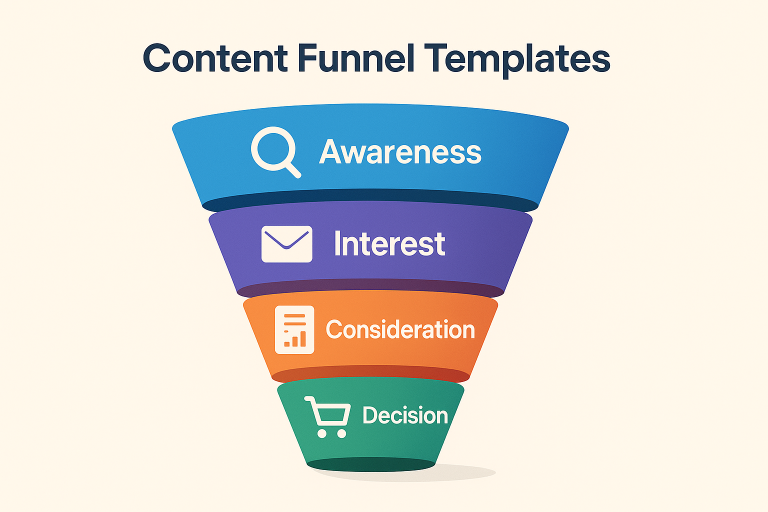
When implementing these templates, adapt the emphasis based on your specific market position and audience needs. The most effective content funnel templates for thought leadership vary significantly by industry context.
Implementing Your Executive Thought Leadership Program
Successful implementation of executive thought leadership requires a well-designed process that balances executive time constraints with content quality requirements.
Begin by establishing a clear governance structure that defines roles and responsibilities:
- Executive: Provides expertise, reviews key content, participates in selected activities
- Content strategist: Develops themes, manages briefing process, ensures quality
- Content creators: Writers, designers, and producers who develop assets
- Channel managers: Specialists who optimize for specific platforms
- Program manager: Coordinates workflow, tracks metrics, manages timeline
Develop a resource allocation plan that accounts for all program components. Common resource requirements include:
- Executive time (interviews, reviews, appearances)
- Content creation resources (writing, design, production)
- Distribution and promotion budget
- Measurement and analytics support
- Administrative coordination
Create a phased implementation timeline that allows for learning and adjustment. A typical rollout includes:
- Foundation phase (1-2 months): Briefing development, content planning, baseline measurement
- Launch phase (2-3 months): Initial content creation, controlled distribution, process refinement
- Expansion phase (3-6 months): Increased volume, channel diversification, performance optimization
- Maturity phase (ongoing): Consistent execution, measurement-driven refinement, evolution
Select appropriate technology tools to support your program. Consider tools for content planning, creation collaboration, approval workflows, distribution management, and performance measurement. The right technology stack simplifies implementation and improves consistency.
Creating Efficient Content Development Workflows for Busy Executives
Executive time constraints represent the most significant challenge in thought leadership programs. These proven workflows maximize quality output while minimizing executive time investment.
Consider these three workflow models based on executive involvement level:
- High-involvement model: Executive actively writes initial drafts (4-6 hours monthly)
- Collaborative model: Executive provides input through interviews and reviews (2-4 hours monthly)
- Guided model: Executive approves themes and reviews final content only (1-2 hours monthly)
For most organizations, the collaborative model offers the best balance of authenticity and efficiency. This approach typically includes:
- Quarterly theme planning session (60 minutes)
- Monthly content interview (30-45 minutes)
- Content review and approval (15-30 minutes per piece)
- Optional media or speaking opportunities (varies)
Maximize interview productivity through careful preparation. Send questions in advance, focus on capturing unique perspectives rather than commonly available information, and record sessions for reference. A skilled interviewer can extract sufficient content for multiple assets in a single session.
Implement a content repurposing strategy to extend the value of executive input. A single 45-minute interview can yield material for a primary article, several social posts, newsletter content, and talking points for speaking engagements. This approach minimizes viable content testing by creating multiple formats from validated core messages.
Establish a streamlined approval process with clear expectations. Limit review cycles, focus executive feedback on accuracy and message alignment rather than writing style, and set reasonable turnaround timeframes. Using collaborative tools with comment tracking simplifies this process.
Balancing Authentic Voice with Corporate Messaging
The most effective thought leadership strikes a delicate balance between the executive’s authentic voice and the organization’s strategic messaging priorities.
Develop a voice framework that captures the executive’s natural communication style. Document characteristics like:
- Typical sentence structure and length
- Vocabulary preferences and distinctive phrases
- Storytelling approaches and examples used
- Tone characteristics (authoritative, conversational, technical, etc.)
- Perspective patterns (optimistic, cautious, provocative, etc.)
The most common mistake in executive content is corporate sanitization that strips away distinctiveness. Content that sounds like marketing copy undermines credibility and engagement. Instead, preserve the executive’s authentic voice while ensuring message alignment.
Red flags for inauthenticity include excessive jargon, marketing buzzwords, unnatural promotional language, and overly formal construction. When reviewing content, executives should ask, “Would I actually say this in conversation with a client or colleague?”
For potentially controversial topics, establish clear guidelines in advance. Determine which issues align with both the executive’s views and organizational positions. For topics where these may diverge, consider:
- Areas where the executive has personal freedom to express views
- Topics requiring consultation with leadership or legal
- Subjects best avoided entirely
The most compelling thought leadership often includes a degree of constructive tension with conventional wisdom. Encourage executives to express genuine perspectives rather than only safe, consensus viewpoints.
Content Formats and Distribution Channels for Executive Thought Leadership
Different thought leadership objectives and executive strengths require different content formats and distribution strategies. This framework helps match formats to specific goals.
Align content formats with specific objectives using this matrix:
| Objective | Primary Formats | Supporting Formats |
| Brand Authority | In-depth articles, research reports | Industry presentations, podcast interviews |
| Lead Generation | Webinars, trend analyses | Executive briefings, assessment tools |
| Customer Retention | Case studies, vision pieces | Customer roundtables, personalized insights |
| Industry Influence | Whitepapers, keynote speeches | Media interviews, regulatory comments |
| Talent Attraction | Culture articles, industry perspectives | University presentations, career advice |
Select formats that align with the executive’s natural strengths. Some executives excel at long-form writing, while others are more effective in video interviews or podcast conversations. Match format choices to these preferences when possible.
Implement a strategic distribution sequence for maximum impact:
- Owned platform publishing: Company website/blog as foundation
- Executive social amplification: Personal sharing with commentary
- Employee advocacy: Internal amplification through team networks
- Paid promotion: Targeted distribution to priority audiences
- Media pitching: Outreach for additional coverage
For complex topics, consider format combinations that address different learning preferences. For example, pair a detailed whitepaper with an executive video summary, infographic, and practical checklist. This multi-format approach increases accessibility while reinforcing key messages.
When determining channel mix, prioritize depth over breadth. Focus on establishing a strong presence on 2-3 primary channels rather than diluting effort across many platforms. Channel selection should be driven by audience behavior, not platform popularity.
Optimizing Executive Thought Leadership Across Digital Platforms
Each digital platform has unique characteristics that influence how executive thought leadership should be presented and optimized.
LinkedIn Optimization
- Prioritize text-native posts with personal perspective
- Include specific data points and practical takeaways
- Respond to comments personally within 24 hours
- Balance promotion (20%) with educational content (80%)
- Measure: Engagement rate, comment quality, profile views
Twitter Optimization
- Focus on timely reactions to industry news
- Use threads for more complex topics
- Incorporate relevant hashtags (limit to 1-2 per post)
- Engage with industry conversations, not just broadcasting
- Measure: Retweets, quote tweets, conversation participation
Company Blog Optimization
- Structure with clear headings and scannable sections
- Include executive’s authentic perspective in introduction
- Incorporate relevant data and research citations
- Optimize for search with targeted keywords
- Measure: Time on page, conversion actions, search visibility
Video Platform Optimization
- Keep executive videos under 5 minutes when possible
- Lead with the most compelling insight
- Use captions and transcripts for accessibility
- Include clear call-to-action for next steps
- Measure: View duration, engagement actions, click-through rate
Integrate activities across platforms by establishing a consistent cross-channel narrative. Develop a core message that adapts to each platform’s unique format while maintaining conceptual consistency. This approach leverages content attribution models to understand how different platforms contribute to overall program success.
For each platform, establish a regular cadence based on audience expectations and executive capacity. Consistency typically outperforms sporadic high-volume activity. A sustainable rhythm might include weekly LinkedIn posts, bi-weekly blog articles, and monthly video content.
Measuring the Impact and ROI of Executive Thought Leadership
Demonstrating the business impact of executive thought leadership requires a comprehensive measurement framework that captures both immediate engagement metrics and long-term business outcomes.
Implement a multi-level measurement approach that tracks:
- Content performance metrics: Views, engagement, sharing, time spent
- Audience development metrics: Follower growth, subscription increases, community building
- Reputation indicators: Share of voice, sentiment analysis, media mentions
- Business impact metrics: Lead generation, sales influence, customer retention
Establish clear attribution methodology to connect thought leadership activities to business outcomes. Common approaches include:
- First-touch attribution: Crediting thought leadership as entry point
- Multi-touch attribution: Assigning partial credit across journey touchpoints
- Last-touch attribution: Measuring direct conversion from content
- Influence modeling: Analyzing content exposure correlation with outcomes
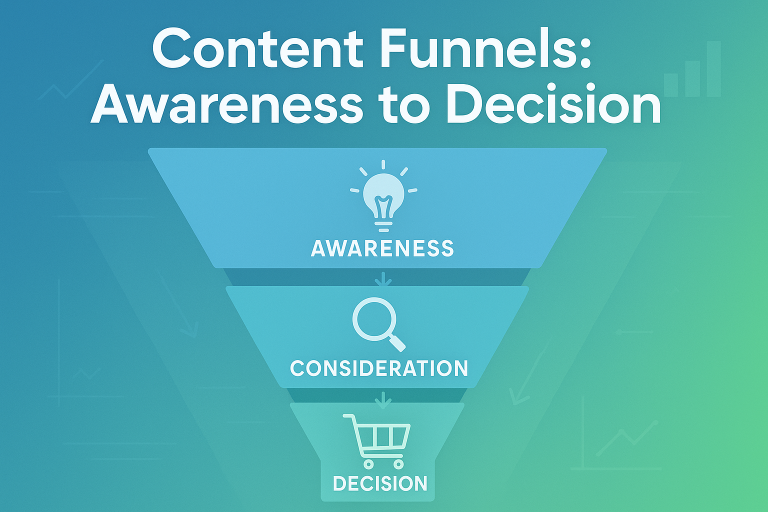
When implementing your measurement strategy, focus on tracking content funnel metrics that connect to specific business objectives rather than vanity metrics that show activity without impact.
Develop baseline measurements before program launch to enable meaningful comparisons. For established programs, implement period-over-period analysis to identify trends and program impact. Benchmark against both internal goals and relevant external comparisons when available.
Create a practical reporting dashboard that connects metrics to business objectives. The most effective dashboards include:
- Program highlights and key achievements
- Performance against primary KPIs
- Significant trends and pattern changes
- Specific business impact examples
- Recommendations for optimization
Review measurement data monthly for tactical adjustments and quarterly for strategic refinements. This cadence allows for continuous improvement while avoiding reactive changes based on short-term fluctuations.
Key Performance Indicators for Different Thought Leadership Objectives
Different thought leadership objectives require different measurement approaches. This section aligns specific metrics with common executive thought leadership goals.
Brand Authority Metrics
- Share of voice in industry conversations
- Earned media mentions and quality
- Speaking invitation frequency and quality
- Industry recognition and awards
- Audience perception research results
Lead Generation Metrics
- Content-attributed lead volume
- Lead quality indicators (fit, engagement, conversion)
- Content-influenced pipeline value
- Conversion rates from thought leadership touchpoints
- Cost per lead compared to other channels
Organizations implementing lead generation with content frameworks should measure both immediate conversion actions and longer-term nurturing effects.
Customer Retention Metrics
- Content engagement from existing customers
- Retention rate differences between engaged vs. non-engaged
- Customer feedback on thought leadership value
- Expansion revenue influenced by content
- Customer advocacy and referral actions
Industry Influence Metrics
- Citation in industry research and reports
- Policy or regulatory impact evidence
- Industry standard contributions
- Competitor response or adoption indicators
- Partnership and collaboration opportunities
Talent Attraction Metrics
- Recruitment source attribution from content
- Candidate quality from thought leadership channels
- Employer brand perception changes
- Employee engagement with leadership content
- Retention correlation with content engagement
Establish measurement frequency appropriate to each metric. While content engagement can be measured weekly, business impact metrics often require monthly or quarterly analysis to show meaningful patterns. Baseline establishment typically requires 3-6 months of consistent measurement before drawing conclusions.
Case Studies: Successful Executive Thought Leadership Programs
These five case studies demonstrate successful implementation of the principles outlined in this guide, highlighting different approaches across industries and company sizes.
Technology Company Case Study: Microsoft’s CEO-Led Transformation Narrative
Program Objective: Position CEO Satya Nadella as transformation leader while shifting Microsoft’s market perception
Approach: Microsoft developed a comprehensive thought leadership program centered on Nadella’s “growth mindset” philosophy and cloud-first vision. The program included:
- Book publication establishing core philosophy
- Regular LinkedIn articles on transformation principles
- Executive interviews with business and technology media
- Customer-focused video series sharing transformation stories
- Internal alignment ensuring consistent messaging across leadership
Results: The program contributed to Microsoft’s successful business transformation, with 25% increased positive sentiment, significant stock growth, and improved talent attraction. The thought leadership positioned Nadella as one of technology’s most respected voices while supporting Microsoft’s business pivot.
Financial Services Case Study: JP Morgan’s Leadership Insights Program
Program Objective: Establish differentiated expertise in market analysis while supporting client acquisition
Approach: JP Morgan created a multi-executive thought leadership program featuring:
- Quarterly economic outlook reports with executive perspective
- Weekly market analysis videos featuring rotating experts
- Executive-hosted client webinars on emerging trends
- Regulatory insight briefings establishing policy expertise
- Targeted distribution to high-value prospect segments
Results: The program generated 3,200+ qualified leads annually, with 22% entering active sales conversations. Client research indicated thought leadership content influenced 35% of new business decisions, with prospects citing content engagement as a key differentiator.
Healthcare Case Study: Mayo Clinic’s Physician Thought Leadership
Program Objective: Establish physician expertise while educating patients and referring providers
Approach: Mayo Clinic implemented a distributed thought leadership model:
- Specialty-focused physician expert identification
- Content development support from medical writers
- Multi-format approach (articles, videos, podcasts)
- Careful compliance review maintaining authenticity
- Targeted distribution to patients and medical professionals
Results: The program delivered 15 million annual content engagements, 27% increase in physician referrals from engaged healthcare providers, and strengthened Mayo Clinic’s position as healthcare authority. Physician participants reported increased professional recognition and speaking invitations.
Manufacturing Case Study: GE’s Industrial Innovation Perspectives
Program Objective: Position GE leadership as industrial transformation experts driving business innovation
Approach: GE developed a focused thought leadership strategy:
- Industrial IoT leadership narrative development
- Executive perspectives on digital transformation
- Case study content highlighting customer outcomes
- Industry event speaking program for key leaders
- Measurement focusing on sales conversation impact
Results: GE’s program influenced $380M in pipeline opportunities, drove 40% increase in executive social following, and established category leadership in industrial digital transformation. The program helped shift market perception from traditional manufacturing to technology leadership.
Professional Services Case Study: Deloitte’s Thought Leadership Ecosystem
Program Objective: Demonstrate industry expertise while supporting lead generation across practice areas
Approach: Deloitte created a systematic thought leadership ecosystem:
- Research-backed industry insights from practice leaders
- Centralized content development and quality control
- Multi-channel distribution with executive amplification
- Integration with marketing automation for lead nurturing
- Comprehensive measurement connecting to business outcomes
Results: Deloitte’s program delivered 120,000+ annual qualified leads, 30% higher proposal win rates for engaged prospects, and $240M+ in content-influenced revenue. The program established Deloitte as the leading voice across multiple industries while building individual partner visibility.
Common success factors across these case studies include executive commitment, quality content resources, consistent execution, and measurement connecting activities to business outcomes. Each organization adapted the approach to their specific industry context while maintaining these core principles.
Common Challenges and Solutions in Executive Thought Leadership
Even well-designed thought leadership programs encounter predictable challenges. This section provides practical solutions to the most common obstacles.
Challenge: Executive Time Constraints
Busy executives struggle to prioritize content creation and participation in thought leadership activities.
Solutions:
- Implement efficient content capture methods (recorded interviews, speech transcription)
- Develop “content fragments” that executives can easily review and approve
- Create quarterly content batching sessions rather than frequent small commitments
- Align thought leadership with activities executives already perform (client meetings, industry events)
- Provide clear ROI data to justify time investment
Challenge: Maintaining Consistency
Programs often start strong but struggle to maintain regular cadence and quality over time.
Solutions:
- Develop a realistic production schedule aligned with available resources
- Create a content reserve of evergreen pieces for schedule gaps
- Implement quarterly planning sessions to ensure pipeline visibility
- Use content repurposing to extend value of existing material
- Establish clear roles and responsibilities for ongoing production
Challenge: Measuring Impact
Organizations struggle to connect thought leadership activities to business outcomes.
Solutions:
- Implement proper tracking codes and attribution methods from program launch
- Survey prospects on content influence during sales process
- Track content engagement correlation with pipeline progression
- Document specific examples of content-influenced decisions
- Develop composite metrics connecting activities to outcomes
Avoiding common mistakes in content marketing ROI measurement is especially important for thought leadership programs, where impact often occurs through indirect influence.
Challenge: Content Creation Bottlenecks
Production delays and quality issues undermine program momentum and executive confidence.
Solutions:
- Develop standardized briefs and templates to streamline creation
- Establish clear approval workflows with designated decision-makers
- Train specialized writers familiar with executive’s voice and industry
- Implement content management system for workflow visibility
- Create style guides and examples to ensure consistent quality
Challenge: Legal/Compliance Concerns
Especially in regulated industries, review processes can delay or dilute thought leadership content.
Solutions:
- Involve legal/compliance teams early in program development
- Create pre-approved messaging templates for common topics
- Develop clear guidelines for what requires review vs. what doesn’t
- Establish expedited review processes for time-sensitive content
- Maintain archive of previously approved language for reference
Challenge: Budget Justification
Securing ongoing funding requires demonstrating program value to business stakeholders.
Solutions:
- Establish clear KPIs aligned with business priorities
- Document specific business wins influenced by content
- Benchmark program costs against alternative marketing investments
- Capture qualitative feedback from customers and prospects
- Present regular program impact reports to key stakeholders
Challenge: Organizational Alignment
Siloed departments and competing priorities can undermine program effectiveness.
Solutions:
- Create cross-functional steering committee with key stakeholders
- Align thought leadership themes with organizational priorities
- Implement shared success metrics across departments
- Provide regular updates to leadership on program impact
- Celebrate and share successes across the organization
For each challenge, early recognition and proactive planning are key. Establish monitoring systems to identify issues before they become significant problems, and build contingency plans for common roadblocks.
Executive Thought Leadership Resource Center
This comprehensive resource collection provides all the templates, checklists, and tools mentioned throughout this guide in downloadable format.
Strategy Development Resources
- Executive Thought Leadership Strategy Template: Framework for developing your comprehensive program strategy
- Audience Persona Development Guide: Template for defining key audience segments and their information needs
- Competitive Thought Leadership Analysis Matrix: Tool for mapping competitor positions and identifying opportunities
- Executive Readiness Assessment: Evaluation framework for identifying appropriate thought leadership candidates
Implementation Resources
- Executive Briefing Templates: Industry-specific templates for technology, financial services, healthcare, manufacturing, and professional services
- Content Development Workflow Diagrams: Process maps for different executive involvement models
- Executive Interview Question Framework: Template for efficient content capture sessions
- Content Calendar and Production Schedule: Planning tool for consistent execution
- Approval Process Flowchart: Streamlined review and approval methodology
Measurement Resources
- Thought Leadership Measurement Framework: Comprehensive approach to program evaluation
- KPI Selection Guide: Objective-specific metrics and measurement approaches
- ROI Calculation Spreadsheet: Tool for determining program business impact
- Executive Dashboard Template: Visualization format for program performance
- Content Performance Analysis Tool: Methodology for evaluating individual content effectiveness
Distribution Resources
- Channel Strategy Planner: Framework for selecting and optimizing distribution channels
- Platform-Specific Optimization Checklists: Guidelines for LinkedIn, Twitter, company blog, and video platforms
- Content Repurposing Matrix: Tool for maximizing value from executive input
- Promotion Schedule Template: Coordination tool for multi-channel distribution
Each resource includes practical examples and implementation guidance to simplify adaptation to your specific organization and industry context. These tools represent best practices developed through extensive work with executive thought leadership programs across diverse organizations.
Conclusion: Building a Sustainable Executive Thought Leadership Program
Building a sustainable executive thought leadership program requires ongoing commitment and evolution. This conclusion outlines the key success factors for long-term impact.
Five critical success factors distinguish effective executive thought leadership programs:
- Strategic alignment: Clear connection between thought leadership and business objectives
- Executive commitment: Genuine participation and consistent engagement
- Operational excellence: Efficient processes that deliver quality without overwhelming resources
- Audience focus: Content truly addressing decision-maker needs and information gaps
- Measurement discipline: Consistent tracking connecting activities to business outcomes
As your program matures, plan for evolution in these dimensions:
- Content sophistication: Moving from basic perspectives to proprietary frameworks and research
- Channel expansion: Gradually adding platforms as core program stabilizes
- Executive involvement: Deepening participation as value becomes evident
- Measurement integration: Connecting thought leadership data with broader business intelligence
- Organizational adoption: Extending successful approaches to additional executives
Next steps for program implementation:
- Assess current thought leadership activities and capabilities
- Identify priority business objectives for initial focus
- Select appropriate executive(s) for pilot program
- Develop executive briefing document using provided templates
- Establish baseline measurements before launch
- Implement initial content with focused distribution
- Review performance data and refine approach
- Scale successful elements to broader program
Executive thought leadership represents a significant opportunity to differentiate your organization, build credible authority, and drive measurable business results. By implementing the frameworks in this guide, you can develop a program that delivers substantial return on investment while elevating your executives as recognized industry voices.
The most successful programs start with focused scope and clear objectives, then expand as they demonstrate value. Begin your implementation with realistic expectations, celebrate early wins, and build momentum through consistent execution and measurement-driven refinement.