Content frameworks transform disorganized marketing into strategic lead generation systems. They provide the structure needed to create content that attracts and converts qualified prospects. In this guide, you’ll discover how to select, implement and measure the most effective frameworks for lead generation that can increase conversion rates by up to 35%.
What Are Content Frameworks and Why Are They Critical for Lead Generation?
Content frameworks provide the structural foundation for creating strategic, purposeful content that attracts and converts qualified leads. Unlike ad-hoc content creation, framework-based approaches ensure every piece of content serves a specific purpose in the lead generation process.
Think of content frameworks as blueprints that guide your content creation. They give your team a repeatable structure to follow, ensuring consistency across all content assets while maintaining focus on lead generation goals.
According to Content Marketing Institute research, organizations using structured content frameworks see 27% higher engagement rates and 35% better lead quality than those using unstructured approaches.
The right frameworks solve several critical content marketing challenges:
- Eliminate inconsistent messaging that confuses potential leads
- Provide clear purpose for each content piece in the lead generation process
- Enable faster content production through standardized formats
- Improve conversion rates through psychologically-proven structures
- Create logical content progression that moves leads through your funnel
Without frameworks, content teams often create disconnected pieces that fail to work together toward lead generation goals. The result is wasted resources and missed opportunities to capture qualified leads.
The Three Categories of Content Frameworks for Lead Generation
Content frameworks for lead generation fall into three main categories, each serving distinct purposes in your overall strategy. Understanding these categories will help you select the right frameworks for specific lead generation goals.
- Copywriting frameworks: These structures guide the writing of individual content pieces, focusing on psychological triggers that drive action. They work at the sentence and paragraph level to create compelling messages that convert readers into leads.
- Strategic frameworks: These organize your overall content approach, ensuring different pieces work together toward lead generation goals. They function at the campaign and program level to create cohesive content systems.
- Distribution frameworks: These guide how content is adapted and delivered across various channels while maintaining consistent messaging. They ensure your lead generation content performs effectively regardless of where prospects encounter it.
| Framework Type | Primary Focus | Best For |
| Copywriting | Conversion psychology | Individual content assets |
| Strategic | Content organization | Overall content program |
| Distribution | Multi-channel delivery | Channel adaptation |
Each category plays a vital role in creating a complete lead generation system. The most successful organizations implement frameworks from all three categories in an integrated approach.
7 Key Benefits of Using Content Frameworks for Lead Generation
Implementing content frameworks delivers measurable improvements to your lead generation efforts. These seven benefits demonstrate why frameworks are essential for organizations serious about generating quality leads through content.
1. Improved Content Consistency and Quality
Frameworks provide repeatable structures that ensure consistency across all content pieces. This consistency builds trust with potential leads who experience a coherent message regardless of which content they consume.
HubSpot found that businesses using structured content approaches produce 68% more high-quality content assets per quarter than those without frameworks.
2. Enhanced Lead Qualification
Well-designed frameworks allow you to embed qualification elements throughout your content. This naturally filters prospects based on their responses, ensuring your sales team receives higher-quality leads.
Companies using structured qualification frameworks report 41% higher lead-to-opportunity conversion rates according to Demand Gen Report research.
3. Accelerated Content Production
When your team works with established frameworks, they spend less time figuring out how to structure content and more time creating it. This acceleration enables you to produce more lead generation assets in less time.
Marketing teams using content frameworks report 52% faster production times for new content assets.
4. Better Alignment Between Content and Buyer Journey Stages
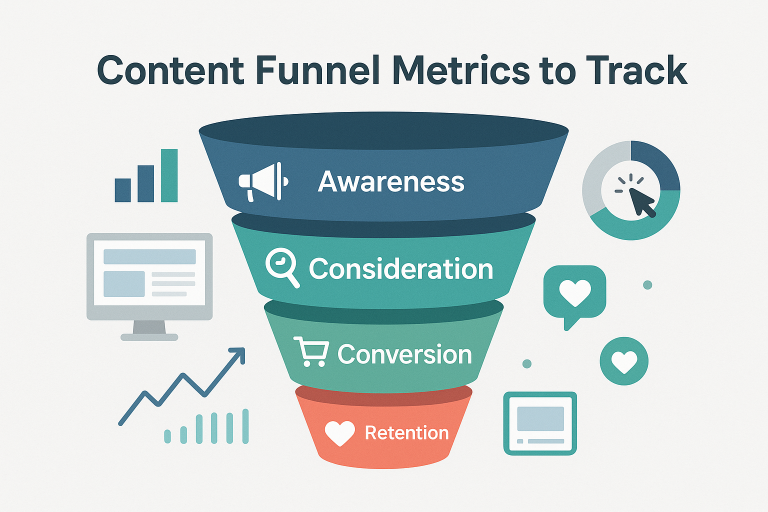
Strategic frameworks map content directly to buyer journey stages, ensuring you have appropriate assets for prospects at every stage of consideration. This creates a more effective content funnel that guides potential customers from awareness to decision.
Salesforce research shows that aligned content improves prospect movement through the funnel by 35%.
5. Improved Content-to-Sales Handoff
Framework-based content captures consistent lead intelligence that sales teams can use for follow-up. This creates a smoother transition when leads move from marketing to sales.
Organizations with framework-based handoff processes see 27% higher lead acceptance rates from sales teams.
6. Easier Measurement and Attribution
Structured frameworks make it easier to measure content marketing ROI and success. You can track performance across framework stages and understand which elements drive the best results.
Companies with framework-based measurement systems report 44% better insight into content performance.
7. Scalable Content Operations
As your organization grows, frameworks allow you to scale content production without sacrificing quality or strategic alignment. New team members can quickly adopt established frameworks to maintain consistency.
Enterprise organizations using frameworks report 63% more efficient scaling of content operations.
The Framework Selection Matrix: Choosing the Right Content Frameworks for Your Lead Generation Goals
Not all content frameworks deliver equal results for lead generation. Your specific business model, audience, and objectives determine which frameworks will be most effective. This selection matrix helps you identify the optimal frameworks for your situation.
I’ve developed this selection matrix after working with dozens of companies across various industries. The key is matching frameworks to your specific business context rather than blindly following trends.
| Business Type | Lead Volume Goal | Lead Quality Goal | Sales Enablement Goal |
| B2B Services | Content Pyramid + PAS | Buyer’s Journey + PASTOR | Case Study Framework + BAB |
| B2B Products | Hub & Spoke + AIDA | Pillar-Cluster + PAS | Micro-Funnel + 4Cs |
| B2C Services | Hub & Spoke + BAB | Content Pyramid + AIDA | Lifecycle Content + PAS |
| B2C Products | Pillar-Cluster + AIDA | Buyer’s Journey + 4Cs | Hub & Spoke + PASTOR |
Selection factors to consider:
- Sales cycle length: Longer sales cycles benefit from comprehensive frameworks like the Buyer’s Journey or Content Pyramid.
- Purchase complexity: Complex purchases require frameworks that educate and build trust, like Pillar-Cluster models.
- Decision-maker count: When multiple decision-makers are involved, use frameworks that address various perspectives, like Hub & Spoke.
- Competitive landscape: Highly competitive markets need differentiation frameworks like PASTOR that emphasize unique value.
Your framework selection should also consider your current content maturity. Organizations just beginning structured content approaches should start with simpler frameworks before progressing to more complex systems.
5 Copywriting Frameworks That Drive Lead Conversion
Copywriting frameworks provide the psychological foundation for content that converts visitors into leads. These five frameworks have proven particularly effective for lead generation across different industries and platforms.
1. AIDA (Attention-Interest-Desire-Action)
The AIDA framework guides content from initial engagement to conversion through four sequential stages:
- Attention: Capture interest with a compelling headline or opening statement
- Interest: Build connection by explaining relevant benefits
- Desire: Create emotional investment in your solution
- Action: Drive lead capture with clear next steps
Lead generation application: AIDA works particularly well for landing pages and email sequences where you need to quickly engage prospects and move them to action.
Example implementation:
Attention: “85% of marketers struggle to generate consistent, quality leads”
Interest: “A structured content approach solves this by creating predictable lead flow”
Desire: “Imagine having a system that delivers qualified leads without constant content creation”
Action: “Download our Lead Generation Framework Template to build your system”
2. PAS (Problem-Agitate-Solve)
The PAS framework leverages pain points to create urgency for your solution:
- Problem: Identify a specific challenge your audience faces
- Agitate: Expand on the negative consequences of this problem
- Solve: Present your solution as the answer
Lead generation application: PAS excels in blog posts, social media content, and webinar scripts where you need to create emotional investment before capturing leads.
Example implementation:
Problem: “Content marketing takes enormous resources but often fails to generate quality leads”
Agitate: “This leads to wasted budgets, frustrated teams, and pressure from leadership to show ROI”
Solve: “Our Content Framework Implementation Guide shows how to transform your content into a lead generation system in just 30 days”
3. BAB (Before-After-Bridge)
The BAB framework creates contrast between current challenges and future benefits:
- Before: Describe the current negative situation
- After: Paint a picture of life with the problem solved
- Bridge: Explain how to get from before to after
Lead generation application: BAB works well for case studies, testimonial content, and comparison pages where you need to highlight transformation.
Example implementation:
Before: “Our content marketing lacked structure, resulting in inconsistent leads and difficulty measuring results”
After: “Now our framework-based approach generates 45% more qualified leads with half the content production time”
Bridge: “The turning point was implementing the Strategic Content Framework outlined in this guide”
4. 4Cs (Clear-Concise-Compelling-Credible)
The 4Cs framework ensures your content meets four essential qualities:
- Clear: Easy to understand with specific points
- Concise: Efficiently communicated without fluff
- Compelling: Engaging and relevant to audience needs
- Credible: Supported by evidence and authority
Lead generation application: 4Cs is ideal for technical content, white papers, and educational resources where establishing expertise is critical for lead conversion.
Example implementation:
Clear: “This guide covers 5 specific frameworks for B2B lead generation”
Concise: “Each framework is explained in a 3-step implementation process”
Compelling: “These frameworks have generated 10,000+ leads across 15 industries”
Credible: “Case studies and implementation data from 200+ companies included”
5. PASTOR (Problem-Amplify-Story-Testimonial-Offer-Response)
The PASTOR framework creates a comprehensive persuasion sequence:
- Problem: Identify the challenge your audience faces
- Amplify: Expand on the consequences of not solving it
- Story: Share a narrative about transformation
- Testimonial: Provide social proof from others who benefited
- Offer: Present your specific solution
- Response: Request a specific action
Lead generation application: PASTOR excels in webinars, long-form sales pages, and detailed email sequences where you need comprehensive persuasion.
Example implementation:
Problem: “Content marketing often fails to generate qualified leads”
Amplify: “This results in wasted budgets and questions about marketing’s value”
Story: “Our agency faced this exact challenge until we discovered framework-based approaches”
Testimonial: “Company X implemented our framework and increased leads by 73%”
Offer: “Our Framework Implementation Program includes templates, training, and support”
Response: “Schedule your framework assessment call to get started”
| Framework | Best For | Lead Gen Effectiveness |
| AIDA | Landing pages, ads | High for initial capture |
| PAS | Blog posts, emails | High for problem-aware leads |
| BAB | Case studies, comparisons | Medium-high for consideration stage |
| 4Cs | Technical content, education | Medium for authority building |
| PASTOR | Webinars, sales pages | Very high for complex offers |
Industry-Specific Adaptations of Copywriting Frameworks
Different industries require specific adaptations of copywriting frameworks to maximize lead generation. Here’s how to modify these frameworks for five common B2B and B2C sectors.
B2B Technology Industry
For technology products, adapt the PAS framework by emphasizing technical validation:
- Problem: Focus on specific technical challenges and efficiency issues
- Agitate: Include statistical evidence of productivity and revenue impact
- Solve: Emphasize compatibility, integration, and implementation simplicity
Example: A cybersecurity company might focus on compliance gaps (Problem), quantify data breach costs (Agitate), and present their solution with technical specifications and implementation timelines (Solve).
Professional Services
For consulting and professional services, adapt the BAB framework with expertise validation:
- Before: Highlight specific business challenges with calculable impact
- After: Focus on measurable outcomes and competitive advantage
- Bridge: Emphasize proprietary methodology and expert credentials
Example: A management consulting firm might show industry performance gaps (Before), improved operational metrics (After), and their exclusive assessment process (Bridge).
E-commerce Applications
For online retail, adapt AIDA with purchase simplification:
- Attention: Use product-specific pain points or lifestyle aspirations
- Interest: Focus on unique features and immediate benefits
- Desire: Emphasize limited availability and social validation
- Action: Minimize perceived purchase complexity and risk
Example: An e-commerce platform would highlight abandoned cart rates (Attention), showcase automated recovery features (Interest), share conversion improvements (Desire), and offer simple integration options (Action).
4 Strategic Content Frameworks for Organized Lead Generation
Strategic content frameworks organize your overall approach to lead generation, ensuring each content piece fits into a coherent system. These four frameworks provide the structural foundation for sustainable lead generation.
1. The Buyer’s Journey Framework
This framework aligns content with the three stages prospects move through before becoming customers:
- Awareness Stage: Prospects recognize a problem but don’t know solutions
- Consideration Stage: Prospects evaluate possible solutions
- Decision Stage: Prospects select a specific solution provider
Lead generation application:
For each stage, create specific content types that capture leads at the appropriate level of qualification:
- Awareness content: Educational blog posts, industry reports, and problem-focused guides with newsletter signups
- Consideration content: Comparison guides, case studies, and webinars with registration forms
- Decision content: Product demos, consultation offers, and implementation guides with sales conversation requests
Example implementation:
A marketing automation company might create:
- Awareness: “Guide to Scaling Marketing Operations” (email capture)
- Consideration: “Marketing Automation Platform Comparison” (detailed form)
- Decision: “Implementation Roadmap Template” (sales call request)
This progression qualifies leads through their content consumption, ensuring sales conversations happen with prospects who have demonstrated genuine interest.
2. The Content Pyramid Framework
This framework creates a hierarchical content structure with different asset types serving specific lead generation purposes:
- Cornerstone content (top): Comprehensive, high-value assets that serve as primary lead capture tools
- Supporting content (middle): Topic-specific resources that address detailed aspects and nurture leads
- Derivative content (bottom): Multiple small assets created from higher-level content that drive traffic and awareness
Lead generation application:
Each level of the pyramid plays a specific role in lead generation:
- Cornerstone content: Requires significant contact information in exchange for high value (webinars, industry reports, comprehensive guides)
- Supporting content: Requires basic contact information (topic-specific guides, case studies, templates)
- Derivative content: Typically ungated but drives traffic to gated assets (blog posts, social content, short videos)
Example implementation:
A B2B software company might create:
- Cornerstone: “Complete Guide to Enterprise Security” (detailed registration form)
- Supporting: “Network Security Assessment Template” (email capture)
- Derivative: 15 blog posts on specific security topics (ungated, linking to gated resources)
This structure creates a content ecosystem where smaller pieces continually drive traffic to your highest-value lead generation assets.
3. The Hub and Spoke Model
This framework organizes content around central themes with connected supporting topics:
- Hub content: Comprehensive resources on core topics, serving as primary lead generation assets
- Spoke content: Specialized content addressing specific aspects of the hub topic, driving traffic back to the hub
Lead generation application:
The Hub and Spoke model creates natural lead capture flows:
- Hub content: Contains primary lead generation mechanisms (detailed guides, resource libraries, tools)
- Spoke content: Targets specific keywords and questions, then channels traffic to hub content (blog posts, videos, social content)
Example implementation:
A financial services company might create:
- Hub: “Complete Retirement Planning Guide” (gated with form)
- Spokes: Articles on Social Security optimization, 401(k) management, healthcare costs in retirement (each linking to the hub)
This model increases conversion efficiency by ensuring all spoke content directs visitors to optimized conversion points in the hub content.
4. The Pillar-Cluster Model
This framework builds topical authority through comprehensive content clusters:
- Pillar content: Extensive, definitive resources on broad topics
- Cluster content: Detailed content on specific aspects of the pillar topic, interlinked with the pillar
Lead generation application:
The Pillar-Cluster model generates leads through expertise demonstration:
- Pillar content: Contains multiple lead generation opportunities throughout extensive content (guides, courses, resource libraries)
- Cluster content: Builds traffic and authority while directing users to pillar content (blog posts, expert insights, examples)
Example implementation:
A marketing agency might create:
- Pillar: “The Definitive Guide to Content Marketing Strategy” (sectioned with multiple conversion points)
- Clusters: Content on audience research, content calendars, measurement approaches, and distribution tactics (all linking to relevant pillar sections)
This model particularly excels for SEO-driven lead generation, as the interlinking structure builds domain authority while creating multiple pathways to conversion.
Combining Multiple Strategic Frameworks: The Integrated Approach
The most effective lead generation systems integrate multiple strategic frameworks into a cohesive whole. This integrated approach ensures content works together across the entire customer acquisition process.
In my experience working with enterprise clients, integrated frameworks consistently outperform single-framework approaches, often doubling lead quality metrics.
The integration process follows five key steps:
- Map primary user journeys to identify critical content needs
- Select primary and supporting frameworks for each journey stage
- Create connection points between frameworks to maintain flow
- Implement consistent conversion mechanisms across framework boundaries
- Establish measurement systems that track performance across the integrated structure
For example, you might combine:
- The Buyer’s Journey as your master organizing framework
- The Hub and Spoke model for awareness-stage content
- The Content Pyramid for consideration-stage content
- PASTOR framework for decision-stage content
This integration creates a complete system where each framework handles the aspects it excels at while connecting seamlessly to other frameworks.
Common integration challenges include:
- Maintaining consistent messaging across frameworks
- Creating smooth transitions between framework boundaries
- Tracking attribution across the integrated system
Solve these challenges by creating clear framework transition documents, establishing consistent taxonomy, and implementing cross-framework tracking systems.
Multi-Channel Content Framework Implementation: Adapting Frameworks Across Platforms
Content frameworks must adapt to the unique requirements of different distribution channels while maintaining strategic consistency. This section shows how to implement frameworks effectively across multiple platforms.
Website and Blog Content
Your website serves as the central hub for framework implementation:
- Framework adaptation: Use Pillar-Cluster for SEO-focused sections and Content Pyramid for resource centers
- Lead capture optimization: Implement progressive profiling to gather additional information with each interaction
- Channel considerations: Optimize page structure and content length for both SEO and conversion
Implementation example: Create hub pages that serve as central conversion points, with blog posts organized in clusters that drive traffic to these hubs. Use sidebar and in-content CTAs mapped to content topic and user intent.
Email Marketing Sequences
Email allows for sequential framework implementation:
- Framework adaptation: Apply AIDA or PAS to individual emails while using the Buyer’s Journey to structure overall sequences
- Lead nurturing focus: Use behavioral triggers to adapt content based on engagement
- Channel considerations: Segment sequences based on entry point and qualification level
Implementation example: Create three email tracks aligned with Buyer’s Journey stages. Each email follows the BAB framework, with calls-to-action that advance prospects to the next journey stage when they’re ready.
Social Media Platforms
Social channels require framework adaptation for brief formats:
- Framework adaptation: Use abbreviated PAS or 4Cs for individual posts while organizing in Hub and Spoke themes
- Platform-specific modifications: Adjust framework elements based on platform constraints and audience expectations
- Channel considerations: Implement channel-specific CTAs that align with the overall framework
Implementation example: Create monthly content themes (hubs) with daily posts (spokes) that build toward gated content offers. Each post uses a condensed AIDA structure modified for the specific platform’s format.
Video Content
Video requires visual adaptation of frameworks:
- Framework adaptation: Apply PASTOR or BAB to script structure while using visual cues to emphasize framework transitions
- Length optimization: Create framework variants for different video formats (short-form vs. long-form)
- Channel considerations: Implement framework-aligned hooks and CTAs in the crucial first 10 seconds
Implementation example: Create a video series where each video follows the PAS framework with consistent visual treatment for each section. Use strategic end screens and cards to guide viewers to appropriate lead capture mechanisms.
Webinars and Virtual Events
Live formats allow for interactive framework implementation:
- Framework adaptation: Use Content Pyramid to structure presentation materials while implementing PASTOR for the overall flow
- Engagement optimization: Add interactive elements at strategic framework transition points
- Channel considerations: Build in multiple conversion opportunities aligned with different qualification levels
Implementation example: Structure webinars with the PASTOR framework, using polls and questions at transition points. Include three strategically placed CTAs for different commitment levels (resource download, follow-up consultation, direct purchase).
Cross-Channel Implementation
The most effective approach implements frameworks consistently across channels:
- Content repurposing strategy: Adapt framework-based content for multiple channels while preserving core structure
- Consistent messaging: Maintain framework integrity even when format changes
- Unified measurement: Track framework performance across all channels
Successful multi-channel implementation requires a content planning system that maps framework elements to channel requirements before creation begins. This ensures consistency while allowing for channel-specific optimization.
The Framework Implementation Roadmap: From Strategy to Execution
Implementing content frameworks for lead generation requires a systematic approach. This roadmap provides a step-by-step process for moving from strategy to execution, with realistic timelines and resource requirements.
After guiding dozens of organizations through framework implementation, I’ve found that following a structured roadmap dramatically increases success rates and shortens time to results.
Phase 1: Assessment (Weeks 1-2)
- Audit current content performance
- Analyze existing content for lead generation effectiveness
- Identify gaps in the current content-to-lead process
- Benchmark current performance metrics
- Define lead generation goals
- Set specific targets for lead volume and quality
- Define lead scoring criteria
- Establish timeline for results
- Evaluate resource availability
- Assess team capabilities and capacity
- Identify technology requirements
- Determine budget allocation
Deliverables: Content audit report, defined lead generation goals, resource assessment document
Phase 2: Planning (Weeks 3-4)
- Select appropriate frameworks
- Use the Framework Selection Matrix to identify optimal frameworks
- Select primary strategic framework
- Choose supporting copywriting frameworks
- Create content mapping
- Map content needs to buyer journey stages
- Identify content gaps requiring new assets
- Prioritize content creation based on impact
- Develop lead capture strategy
- Define conversion points within frameworks
- Create lead qualification criteria
- Design progressive profiling approach
Deliverables: Framework selection document, content map, lead capture plan
Phase 3: Production (Weeks 5-10)
- Create framework templates
- Develop structured templates for each content type
- Build framework-specific style guides
- Create reusable content components
- Implement tracking systems
- Set up dashboards and reporting for content performance
- Establish lead tracking mechanisms
- Create content attribution models for framework evaluation
- Develop pilot content
- Create initial assets using selected frameworks
- Implement lead capture mechanisms
- Test content with sample audiences
Deliverables: Framework templates, measurement systems, pilot content assets
Phase 4: Optimization (Weeks 11-12)
- Analyze initial performance
- Evaluate pilot content results
- Identify framework elements needing refinement
- Assess lead quality from initial assets
- Refine frameworks and templates
- Adjust frameworks based on performance data
- Optimize conversion mechanisms
- Update templates with refinements
- Scale production
- Train team on refined frameworks
- Develop production calendar
- Implement workflow for ongoing creation
Deliverables: Performance analysis, refined frameworks, production scale plan
This 12-week roadmap provides a realistic timeline for framework implementation. Organizations with more resources can accelerate certain phases, while those with limited resources may extend the timeline.
Critical success factors include:
- Executive sponsorship for resource allocation
- Clear ownership of the implementation process
- Regular progress reviews and adjustments
- Patience during the optimization phase
The most successful implementations maintain flexibility while following the structured approach, allowing for adaptation based on early results.
Team Structure and Workflow Design for Framework Implementation
The right team structure and workflow design are critical for successful framework implementation. Here are three organizational models based on company size and resources, with workflow recommendations for each.
Small Team Model (1-3 People)
In small organizations, team members must handle multiple responsibilities:
- Role consolidation:
- Content strategist/creator: Handles framework selection, content planning, and creation
- Designer/developer: Manages templates, visuals, and technical implementation
- Marketing manager: Oversees lead capture, measurement, and optimization
- Essential workflows:
- Weekly planning sessions to prioritize content
- Batched content creation (topic research, then writing, then design)
- Bi-weekly performance reviews
- Outsourcing recommendations:
- Framework template development
- Specialized content creation
- Performance analytics
With limited resources, focus on implementing one framework thoroughly before adding others. The Hub and Spoke model often works best for small teams due to its scalability.
Mid-Size Team Model (4-7 People)
Mid-size teams can implement specialized roles:
- Specialized roles:
- Content strategist: Oversees framework selection and content mapping
- Content creators: Implement frameworks in specific channels
- Designer: Creates visual templates and assets
- Marketing operations: Manages lead capture and tracking
- Analytics specialist: Measures performance and suggests optimizations
- Collaboration workflows:
- Framework briefing sessions for content creators
- Staged review process for framework compliance
- Weekly content calendar management
- Approval processes:
- Framework adherence checklist
- Lead capture mechanism review
- Performance projection validation
Mid-size teams can effectively implement integrated approaches, combining strategic frameworks with appropriate copywriting frameworks for each content piece.
Enterprise Team Model (8+ People)
Larger organizations require structured coordination:
- Department coordination:
- Content strategy team: Framework governance and training
- Content production team: Creation across channels
- Marketing operations: Implementation and tracking
- Analytics team: Measurement and optimization
- Sales enablement: Lead handoff process
- Matrix responsibilities:
- Framework owners for each major framework
- Channel specialists implementing across platforms
- Cross-functional working groups for integration
- Governance structures:
- Framework certification process
- Regular framework review committee
- Performance benchmarking system
Enterprise organizations can implement comprehensive framework systems across multiple business units, but require strong governance to maintain consistency.
Technology Stack for Content Framework Implementation
Implementing content frameworks effectively requires the right technology stack. These tool categories and specific recommendations will support your framework-based lead generation efforts.
Content Management Systems
Essential features:
- Template management for framework-based content
- Taxonomy support for content organization
- Workflow capabilities for review process
- Lead capture integration
Recommended tools:
- WordPress with StudioPress or Elementor (small-medium)
- HubSpot CMS Hub (medium)
- Adobe Experience Manager (enterprise)
Implementation considerations: Your CMS should support custom templates that enforce framework structures. Look for systems that allow content components to be reused across multiple assets.
Marketing Automation Platforms
Essential features:
- Lead capture form management
- Progressive profiling capabilities
- Automated nurture sequences
- Lead scoring and qualification
Recommended tools:
- MailChimp or ConvertKit (small)
- ActiveCampaign or HubSpot Marketing Hub (medium)
- Marketo or Pardot (enterprise)
Implementation considerations: Your automation platform should support segmentation based on framework engagement. Look for tools that can trigger different content sequences based on specific framework interactions.
Content Planning and Workflow Tools
Essential features:
- Framework template library
- Content calendar management
- Workflow automation
- Collaboration capabilities
Recommended tools:
- Trello or Asana (small)
- CoSchedule or Airtable (medium)
- Kapost or Contentful (enterprise)
Implementation considerations: Planning tools should enforce framework selection during the content briefing process. Implement checklists that verify framework compliance before publication.
Analytics and Measurement Tools
Essential features:
- Content performance tracking
- Conversion path analysis
- Framework effectiveness measurement
- Lead quality assessment
Recommended tools:
- Google Analytics (all sizes)
- Hotjar or Lucky Orange (small-medium)
- Amplitude or Mixpanel (medium-enterprise)
Implementation considerations: Set up tracking that identifies which frameworks generate the highest quality leads. Create content marketing ROI dashboards specific to each framework.
CRM Integration Considerations
Essential features:
- Lead attribution to specific content assets
- Framework data passing to sales team
- Opportunity tracking back to content
- Closed-loop reporting
Recommended tools:
- HubSpot CRM (small-medium)
- Salesforce (medium-enterprise)
- Microsoft Dynamics (enterprise)
Implementation considerations: Your CRM should track which content frameworks influenced each lead. Sales teams need visibility into which frameworks each prospect has engaged with to inform their conversations.
Technology budget considerations by company size:
- Small organizations: Prioritize a flexible CMS and basic marketing automation ($200-500/month)
- Medium organizations: Invest in integrated marketing platforms with native analytics ($1,000-3,000/month)
- Enterprise organizations: Implement comprehensive systems with custom integrations ($5,000+ /month)
Remember that even with limited budget, you can implement frameworks effectively by prioritizing tools that support your most critical framework elements. Start with the minimum viable stack and expand as your framework approach proves successful.
Measuring Content Framework Effectiveness for Lead Generation
Measuring the effectiveness of your content frameworks is essential for ongoing optimization. This comprehensive measurement approach tracks performance across the entire lead generation process.
Content Performance Metrics
These metrics assess how well individual framework-based content assets perform:
- Engagement metrics:
- Average time on page (benchmark: 2+ minutes for framework-based content)
- Scroll depth (target: 70%+ reaching framework conclusion)
- Social sharing rate (varies by industry)
- Conversion metrics:
- Conversion rate (benchmark: 2-5% for framework-optimized content)
- CTA click-through rate (target: 3-8% depending on placement)
- Form completion rate (benchmark: 25%+ for properly aligned offers)
- Content consumption patterns:
- Framework section engagement (which parts perform best)
- Drop-off points (where users abandon the framework)
- Return visitor rate (indicates framework relevance)
Measurement methodology: Implement content-specific tracking tags for each framework element. Use heat mapping and scroll tracking to analyze engagement with specific framework sections.
Framework Effectiveness Metrics
These metrics evaluate how well each framework type performs for lead generation:
- Framework conversion effectiveness:
- Conversion rate by framework type
- Lead quality score by framework
- Cost per lead by framework
- Framework efficiency metrics:
- Production time per framework
- Resource requirements by framework
- Framework ROI (leads generated vs. resources invested)
- Framework adaptation metrics:
- Cross-channel performance comparison
- Audience segment response by framework
- Framework modification impact
Measurement methodology: Tag all content with framework type identifiers. Create comparison reports that isolate framework performance while controlling for other variables.
Lead Generation Outcome Metrics
These metrics connect framework performance to actual business results:
- Lead quality metrics:
- Marketing qualified lead (MQL) rate by framework
- Sales qualified lead (SQL) conversion by framework
- Lead-to-opportunity ratio by framework
- Revenue impact metrics:
- Opportunity value influenced by framework
- Win rate for framework-generated leads
- Customer lifetime value by acquisition framework
- Framework influence metrics:
- Framework touchpoints in winning deals
- Framework influence in multi-touch attribution
- Sales cycle impact by framework exposure
Measurement methodology: Implement closed-loop reporting between marketing and sales systems. Track framework influence throughout the customer journey using multi-touch attribution models.
Attribution Modeling for Framework Evaluation
To accurately assess framework contribution to lead generation, implement these attribution approaches:
- First-framework attribution: Credits the first framework a lead encounters
- Last-framework attribution: Credits the final framework before conversion
- Linear framework attribution: Distributes credit equally across all frameworks encountered
- Position-based framework attribution: Weights frameworks based on their position in the journey
- Time-decay framework attribution: Gives more credit to frameworks encountered closer to conversion
The most accurate approach is customized attribution modeling that aligns with your content system budgeting. This connects framework investment directly to lead generation outcomes.
A/B Testing for Framework Optimization
Implement systematic testing to optimize framework performance:
- Framework element testing: Compare different sections within the same framework
- Framework comparison testing: Test different frameworks for the same content topic
- Framework sequence testing: Evaluate different framework ordering in multi-touch scenarios
Each test should focus on a single variable with clear success metrics. Implement a regular testing calendar that prioritizes high-impact framework elements.
The most successful organizations treat framework measurement as an ongoing process rather than a one-time assessment. Create quarterly framework performance reviews that drive continuous optimization of your lead generation system.
Case Studies: Content Framework Success in Lead Generation
These real-world examples demonstrate how organizations have successfully implemented content frameworks to transform their lead generation results. Each case study includes the framework used, implementation approach, and specific outcomes.
Case Study 1: B2B Technology Company
Company: Enterprise security software provider
Challenge: The company struggled with inconsistent lead quality and high cost per acquisition. Their content creation was ad-hoc, with no strategic framework guiding development. Sales teams reported that leads weren’t adequately educated about their complex solutions.
Framework Selection: The company implemented the Pillar-Cluster model as their primary strategic framework, with the PAS copywriting framework for individual content assets.
Implementation Approach:
- Created five pillar pages on core security topics, each using the PAS framework to structure content
- Developed 12-15 cluster content pieces for each pillar, addressing specific questions and challenges
- Implemented progressive profiling across the content ecosystem
- Created specialized content paths for different security specializations
Results:
- 183% increase in organic traffic to security content
- 47% improvement in lead quality score
- 28% reduction in cost per qualified lead
- Sales reported leads were significantly better educated, reducing sales cycle by 23%
Key Lesson: The structured relationship between pillar and cluster content created multiple entry points while ensuring all leads eventually encountered comprehensive education through pillar content.
Case Study 2: Professional Services Firm
Company: Mid-sized management consulting firm
Challenge: The firm generated adequate lead volume but struggled with lengthy sales cycles and low conversion rates. Their content didn’t effectively qualify prospects or demonstrate their specific methodology advantages.
Framework Selection: Implemented the Buyer’s Journey as the strategic framework with the BAB (Before-After-Bridge) copywriting framework for case studies and methodology content.
Implementation Approach:
- Mapped existing content to specific buyer journey stages, identifying major gaps
- Created journey-specific content for each of their three primary service lines
- Developed a sequential email nurture program using the BAB framework to showcase transformation
- Implemented behavioral scoring based on journey progression
Results:
- Lead-to-opportunity conversion increased by 35%
- Sales cycle reduced from 9 months to 5.5 months
- Win rate improved by 23% for framework-nurtured leads
- Average project size increased by 18% as better-qualified leads sought comprehensive services
Key Lesson: The journey-aligned content helped prospects self-qualify and understand the firm’s unique approach before sales conversations, making those discussions more productive.
Case Study 3: E-commerce Business
Company: Specialty consumer products retailer
Challenge: The company had high traffic but low email capture rates and poor lead nurturing results. Their content failed to build audience relationships beyond immediate transactions.
Framework Selection: Implemented the Hub and Spoke model with AIDA framework for content creation.
Implementation Approach:
- Created six content hubs around lifestyle themes related to their products
- Developed 20+ spoke content pieces for each hub, optimized for search and social sharing
- Implemented the AIDA framework within each content piece
- Created segmented nurture paths based on hub engagement
Results:
- Email list growth increased by 215% in six months
- Lead-to-customer conversion rate improved by 28%
- Customer lifetime value increased 47% for framework-nurtured customers
- Organic traffic increased 92% through spoke content visibility
Key Lesson: The lifestyle-focused hub content created stronger brand affinity and higher-value customers compared to their previous product-centric approach.
Common Success Factors
Across these diverse case studies, several common factors contributed to framework success:
- Commitment to structure: All organizations fully committed to framework implementation rather than partial adoption
- Cross-functional involvement: Marketing, sales, and customer success teams all participated in framework development
- Measurement discipline: Each organization implemented comprehensive tracking from the beginning
- Patience with the process: All allowed 3-6 months for framework benefits to fully materialize
- Continuous optimization: Each company regularly refined their frameworks based on performance data
These examples demonstrate that framework implementation success depends not just on selecting the right frameworks, but on thorough execution, cross-department alignment, and commitment to data-driven optimization.
Advanced Framework Strategies: AI Integration, Personalization, and Adaptive Frameworks
As your content framework implementation matures, these advanced strategies can further enhance your lead generation results. These approaches represent the cutting edge of framework-based lead generation.
AI-Assisted Framework Implementation
Artificial intelligence can dramatically enhance framework effectiveness through:
- Content generation within frameworks:
- AI-generated first drafts following framework structures
- Framework compliance checking through NLP analysis
- Automated framework adaptation for different segments
- Personalization at scale:
- Dynamic content assembly based on user data
- Framework modification based on behavioral signals
- Real-time content adaptation within framework parameters
- Performance prediction:
- AI-powered framework effectiveness scoring
- Automated A/B testing of framework variations
- Predictive analytics for framework selection
Implementation considerations: Start with AI assistance for repetitive framework elements before moving to more complex applications. Maintain human oversight for strategic framework decisions and creative elements.
Dynamic Framework Adaptation
Advanced framework implementations can adapt based on user behavior:
- Behavioral triggers:
- Framework switching based on engagement patterns
- Accelerated or decelerated framework progression
- Content depth adjustment within frameworks
- Progressive profiling integration:
- Framework selection based on profile development
- Incremental qualification through framework interactions
- Profile-driven framework personalization
- Adaptive content paths:
- Branching frameworks based on user choices
- Self-selected framework journeys
- Dynamic framework assembly from content components
Implementation considerations: Dynamic adaptation requires robust user tracking and content management systems. Start with simple adaptations based on explicit user choices before implementing implicit behavioral adaptation.
Cross-Functional Framework Integration
Advanced framework approaches extend beyond marketing to create integrated customer experiences:
- Sales enablement integration:
- Framework-aligned sales conversation guides
- Content engagement data feeding sales playbooks
- Framework continuation through sales process
- Customer success alignment:
- Framework extension into onboarding content
- Framework consistency from marketing to customer support
- Framework-based customer education systems
- Product development feedback loops:
- Framework engagement data informing product features
- Product usage data refining content frameworks
- Integrated product and content experiences
Implementation considerations: Cross-functional integration requires strong executive sponsorship and shared metrics across departments. Start with simple data sharing before implementing fully integrated systems.
Future Trends in Framework Evolution
The most forward-thinking organizations are exploring these emerging framework approaches:
- Voice and conversational frameworks that adapt traditional structures for interactive interfaces
- Augmented reality content frameworks that layer information in physical contexts
- Real-time co-creation frameworks that allow customers to participate in content development
- Multi-modal frameworks that integrate text, audio, video, and interactive elements in cohesive structures
Organizations at the cutting edge are creating proprietary framework combinations that become signature approaches, differentiating their content and lead generation processes from competitors.
The most successful advanced implementations maintain the core principles of framework-based approaches while extending them with technology and innovative thinking. Start with excellence in fundamental frameworks before advancing to these sophisticated approaches.
Overcoming Common Content Framework Challenges
Implementing content frameworks for lead generation inevitably presents challenges. These solutions address the most common obstacles organizations face when adopting framework-based approaches.
Content Production Bottlenecks
Challenge: Framework implementation often creates initial production slowdowns as teams adapt to new structures.
Warning signs:
- Increasing backlog of framework-based content requests
- Team frustration with framework constraints
- Inconsistent framework adherence due to time pressure
Solutions:
- Create modular framework templates that allow component-based assembly
- Implement tiered framework complexity based on content importance
- Develop framework training programs for content creators
- Build framework element libraries for reusable components
Prevention strategy: Start with simplified framework versions during the adoption phase, then gradually implement more comprehensive structures as the team becomes proficient.
Framework Rigidity Issues
Challenge: Frameworks can become overly restrictive, limiting creativity and adaptability.
Warning signs:
- Content feels formulaic and lacks authentic voice
- Frameworks don’t accommodate new content types
- Team resistance to framework usage
Solutions:
- Implement framework flexibility zones where creators have more freedom
- Create framework variation guidelines that allow for appropriate modification
- Establish regular framework review processes to evolve structures
- Develop hybrid frameworks that combine elements from multiple approaches
Prevention strategy: Build variation guidelines into frameworks from the beginning. Define which elements are required for consistency and which allow creative adaptation.
Cross-Department Alignment Problems
Challenge: Different departments may resist or misinterpret framework implementation.
Warning signs:
- Sales not using framework-generated leads effectively
- Inconsistent framework adoption across teams
- Conflicting framework modifications in different departments
Solutions:
- Create cross-functional framework committees with representatives from all departments
- Implement shared framework success metrics across teams
- Develop department-specific framework training that emphasizes relevant benefits
- Build framework handoff documentation for smooth transitions between teams
Prevention strategy: Involve all stakeholder departments in framework development from the beginning. Create shared ownership rather than imposing frameworks from marketing alone.
Measurement Complexity
Challenge: Framework effectiveness can be difficult to measure with traditional analytics.
Warning signs:
- Inability to connect framework usage to lead outcomes
- Conflicting data about framework performance
- Over-measurement paralyzing framework optimization
Solutions:
- Develop framework-specific KPIs that align with business outcomes
- Implement progressive measurement approaches that start simple and become more sophisticated
- Create framework attribution models that account for multiple touchpoints
- Focus on directional indicators rather than perfect attribution
Prevention strategy: Define clear success metrics before framework implementation begins. Start with basic measurement approaches and expand as your understanding develops.
Technology Integration Challenges
Challenge: Existing technology may not support comprehensive framework implementation.
Warning signs:
- Manual workarounds for framework tracking
- Inconsistent framework implementation across platforms
- Inability to scale framework approaches
Solutions:
- Implement phased technology adoption aligned with framework priorities
- Create middleware solutions that connect disparate systems
- Develop custom framework tracking codes that work across platforms
- Prioritize critical framework elements for technology support
Prevention strategy: Audit your technology capabilities before selecting frameworks. Choose frameworks that align with your current capabilities while building toward more sophisticated implementation.
Remember that framework challenges are normal parts of the implementation process. The most successful organizations anticipate these challenges and have mitigation strategies ready before they arise.
Conclusion: Building Your Custom Lead Generation Framework System
You now have the comprehensive knowledge needed to implement content frameworks that will transform your lead generation results. This action plan will help you move from knowledge to implementation.
Content frameworks provide the structure and strategy needed to create content that consistently generates qualified leads. By implementing the approaches covered in this guide, you can transform scattered content efforts into a cohesive lead generation system.
The key principles that drive framework success include:
- Strategic alignment between business goals and framework selection
- Consistent implementation across channels and content types
- Measurement systems that connect framework performance to lead outcomes
- Continuous optimization based on performance data
- Cross-functional integration for seamless lead management
To get started, follow this three-step action plan:
- Assessment and Selection: Audit your current content, define specific lead generation goals, and select appropriate frameworks using the Framework Selection Matrix.
- Implementation Planning: Create a detailed roadmap with timeline, resources, and responsibilities. Develop your measurement approach before content creation begins.
- Pilot Program: Implement frameworks for a specific content segment first. Measure results, refine your approach, and then expand to your full content program.
Remember that framework implementation is a journey rather than a destination. The most successful organizations continuously evolve their frameworks based on performance data and changing business needs.
Your lead generation results directly reflect the quality of your framework implementation. By applying the strategies in this guide, you’ll create content that not only attracts prospects but converts them into qualified leads ready for sales engagement.